
Finding a place to live is one of the biggest steps when moving to Germany. Whether you are coming alone, with family, for work, or for study, there are many different types of housing to choose from. This article gives an overview of the most common options, how to find them, how payments work, and what you should look out for when starting your housing search.
Apartments
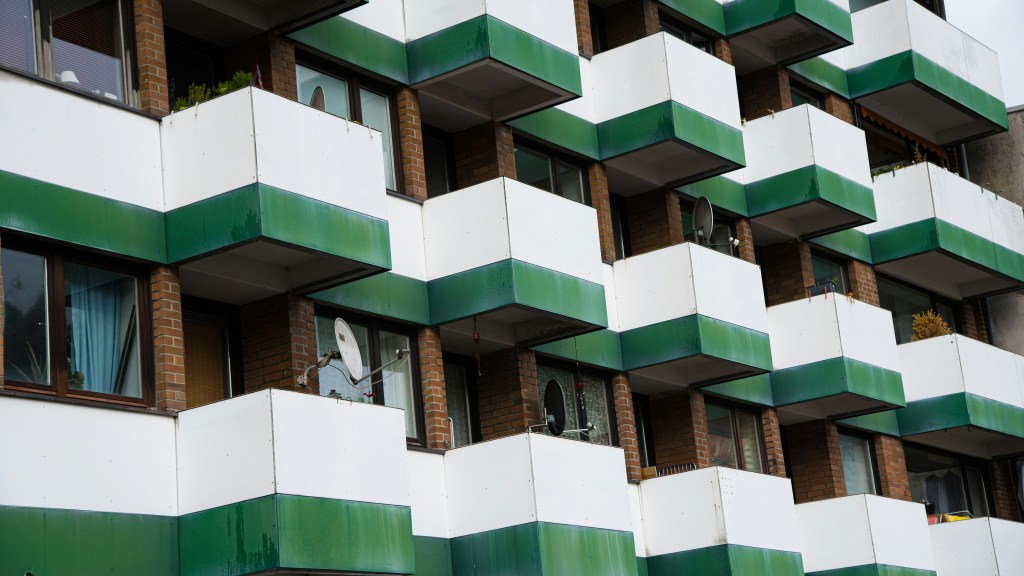
Most people in German cities live in Wohnungen (apartments). Apartments vary in size and price and can be found in modern buildings or older residential houses. When searching, you will often see these abbreviations:
- 1-Zimmer-Wohnung = One room (living + sleeping in the same room)
- 2-Zimmer-Wohnung = Bedroom + living room (most common for couples)
- 3+ Zimmer-Wohnung = For families or shared living
Apartments may come unfurnished (very common) or unfurnished without kitchen (also common!).
Community-Based Living
Not everyone lives alone. Shared living is very popular in Germany, especially among young people, students, or individuals who want to save money while staying social.
Shared Apartments (WG – Wohngemeinschaft)
A WG is a shared apartment where each person has a private bedroom but shares the kitchen, bathroom, and living area. WGs are usually cheaper than living alone and can be a great way to meet new people. Some WGs are mixed-gender, some are single-gender or purpose-based (only students, only professionals, etc.).
Student Dormitories (Studentenwohnheim)
Student housing is often the most affordable option for university students. Rooms are either single bedrooms with shared kitchens or small private apartments. Many dormitories are located near university campuses, and rent is usually low compared to the city market.

Temporary or Short-Term Housing
If you are new to Germany or only staying for a short time, temporary housing options may be more practical.
“Untermiete / Zwischenmiete”
This means renting a room or apartment from someone who is not the main landlord. This is common when someone travels, studies abroad, or moves temporarily for work. The appartments/rooms can be furnished and flexible but always require a written agreement.
Furnished Apartments
Furnished apartments (möblierte Wohnungen) are ideal for short stays. They include furniture, kitchen equipment, and sometimes bed linens. They are more expensive than unfurnished apartments but reduce the need for buying furniture when you are new in Germany.
Host Families (Gastfamilien)
Some people – especially students, language learners, or young professionals – stay with host families. You get a private room, meals may be included, and it helps you get used to German culture. This option is less common for long-term living but ideal for newcomers.
How to Find Housing in Germany
Housing can be found online, through local ads, and through personal networks. Popular websites include:
- ImmobilienScout24
- Immowelt
- WG-Gesucht (for shared apartments)
- Housing offices at universities (for dormitories)
Visiting flats in person (Wohnungsbesichtigung) is common. In busy cities like Berlin, Hamburg, or Munich, competition is high, and you may need patience.
How Rent Works in Germany
Rent is usually paid monthly. You differ between two parts:
Kaltmiete: only the living space, without utilities
Warmmiete: Kaltmiete + utilities (heating, water, waste)
*Sometimes electricity and internet are not included and must be organized and paid separately.
You will also need to pay Kaution (Deposit) – usually 1–3 months’ rent. It is paid before moving in, refunded when you move out (if no damage). *Make sure you receive a receipt or confirmation for any deposit you pay.
Be Careful – Avoid Housing Scams
Housing scams happen, especially online. To protect yourself:
✔ Never transfer money before signing a contract
✔ Be cautious if the price seems too good to be true
✔ Always visit the apartment in person if possible and make sure the landlord is personally present
✔ Avoid landlords who refuse to show the apartment or ask for prepaid deposits
✔ Always get a written Mietvertrag (rental contract)
✔ Before moving in, fill out a Wohnungsübergabeprotokoll with the landlord – note damages, walls, floors, appliances, etc., to secure your deposit
Scams are common on platforms like Airbnb, private rentals, and shared living groups. Trust your instinct and never send money without documentation, because scams often goes undetected in Germany.
Summary
Germany offers many living options – from private apartments to shared housing and short-term accommodation. Renting is the norm, and with the right knowledge, the housing process can become much easier. Take your time, compare offers, ask questions, and stay cautious with online listings. With patience and preparation, you will find a home that suits your needs and lifestyle.
 First Steps in Germany