
Overview:
- Greet with “Hallo” or “Guten Tag” in most everyday situations.
- A handshake is common in formal or first meetings.
- Eye contact shows respect and attention.
- Personal space is important – avoid standing too close.
- Casual greetings often include a smile or nod, but not physical contact.
1. Common Greetings in Germany
In Germany, it is considered polite and respectful to greet people clearly, even in casual situations. This is the usual way to show respect – instead of bowing, as is common in many Southeast Asian cultures.

Germans typically greet with:
- “Hallo” – neutral and used in most situations.
- “Guten Tag” (Good day) – more formal and respectful.
- “Guten Morgen” (Good morning) and “Guten Abend” (Good evening) – time-specific greetings.
Informal options include:
- “Hi” – casual and friendly.
- “Na?” – very informal, mostly among young people or friends.
Important cultural habit:
In Germany, it is polite to greet others even in public places, such as small shops, elevators, or a waiting area at the doctor’s office. Even in quick situations – like entering a bakery or approaching the cashier – a short “Hallo” or “Guten Tag” is expected. Not greeting at all can seem distant or impolite.
2. Physical Contact: What is Appropriate?
Germans are more reserved than many other Western cultures when it comes to physical contact. For many Southeast Asian visitors, this may feel familiar.

- A short, firm handshake is the most common formal greeting.
- Hugs are only for family or close friends.
- Touching the arm or shoulder is uncommon and may feel too personal.
3. Eye Contact and Facial Expression

- Eye contact is important and shows sincerity and attentiveness.
- Avoiding eye contact can be perceived as insecure or impolite.
- A light, natural smile is considered polite.
- Exaggerated expressions or strong emotions are uncommon, especially in professional settings.
- Germans may appear serious or reserved – this is normal and not unfriendly.
4. Body Language and Personal Space
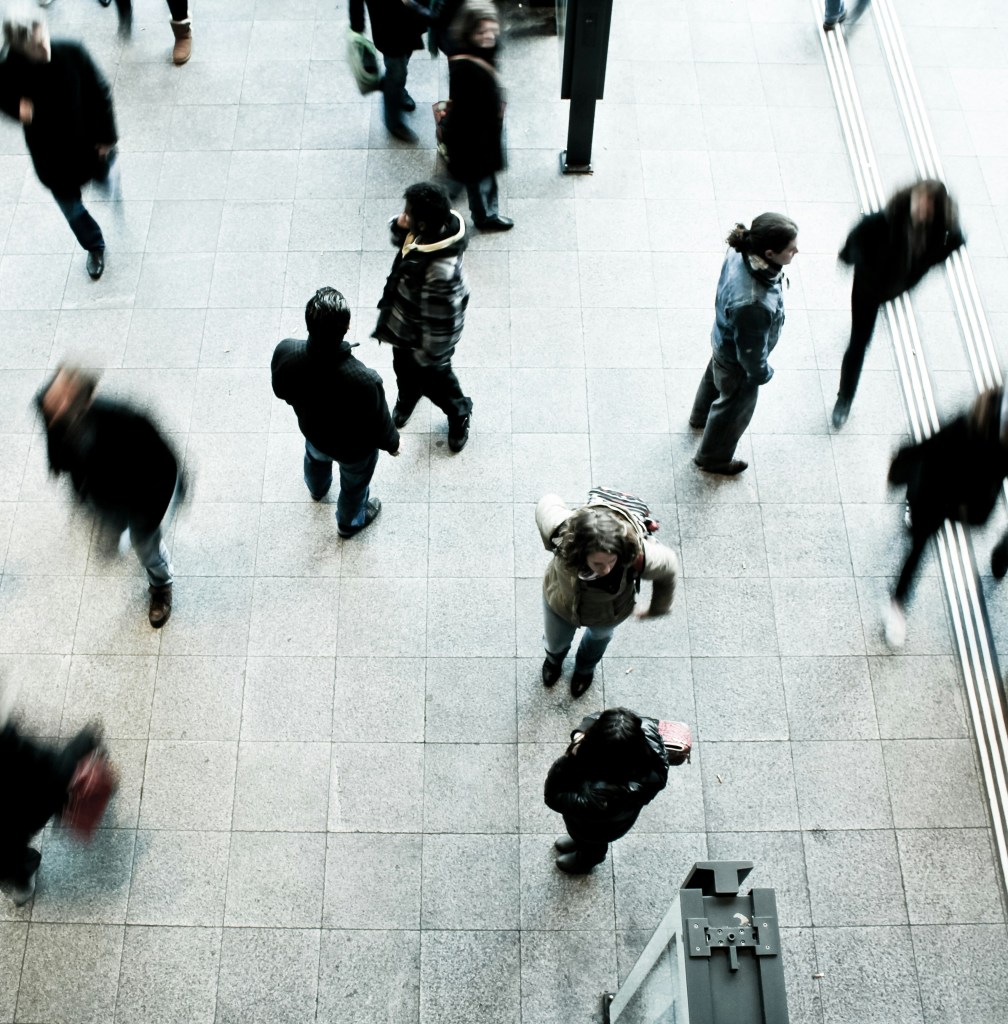
If you come from Southeast Asia, this may already feel natural to you as well:
- Keep at least an arm’s length distance when talking to someone.
- Germans value personal space – standing too close can feel uncomfortable.
- Don’t touch people casually during conversation.
- Standing straight and showing a relaxed, but respectful posture is appreciated.
5. Greeting in Groups
When entering a group – for example, a waiting room, a small meeting, or a family gathering:
- It’s polite to say “Hallo zusammen” (Hello everyone) or simply “Guten Tag” instead of saying hello to every person separately.
- A general nod or smile toward the group is also fine, when it’s not that important to see that you arrived.

Examples of Natural Greeting Situations:
Formal (e.g. meeting someone at a job interview):
- „Guten Tag, mein Name ist Linh Nguyen. Schön, Sie kennenzulernen.“
(Good day, my name is Linh Nguyen. Nice to meet you.)
Informal (e.g., meeting a friend):
- „Hey, na? Alles gut?“
(Hey, what’s up? All good?)
Entering a shop or waiting room:
- „Hallo.“ or „Guten Tag.“ with a short nod or smile.
Summary
Greetings in Germany are clear, direct, and respectful.
A simple word, a short handshake, and eye contact are usually enough.
Even if people seem reserved, these small polite habits help build trust and mutual respect – even without many words.
Next Post about Politeness in Germany:
 First Steps in Germany